If you’ve ever Googled “how to homeschool my toddler” and instantly felt overwhelmed, you’re not alone. Many of us picture a rigid schedule, stacks of worksheets, and somehow transforming our dining room into a miniature classroom. But here’s the truth: homeschooling a toddler looks nothing like traditional school — and that’s the BEAUTY of it.
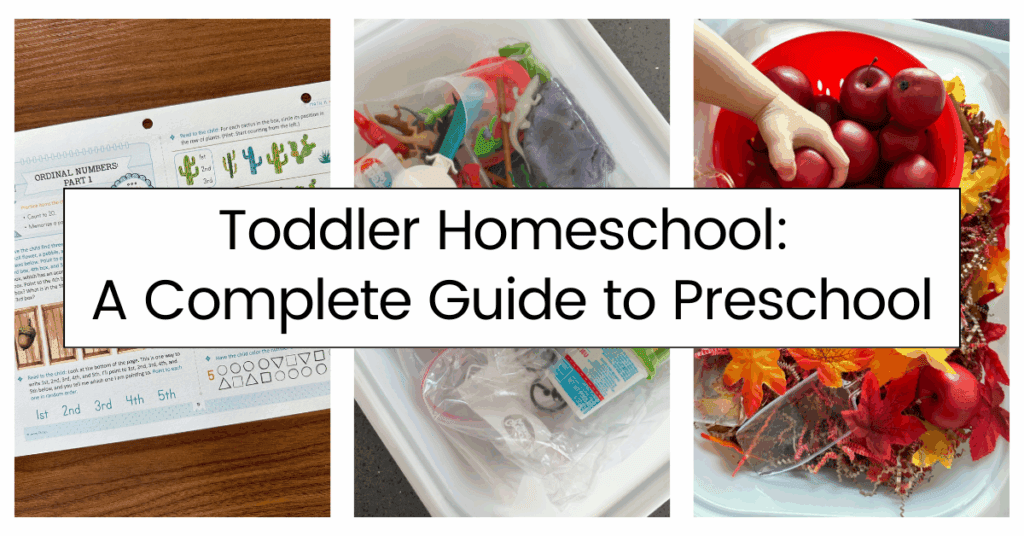
When I started homeschooling my daughter, I quickly learned that flexibility is my best friend (a HARD lesson for my type A brain). Some topics she picked up so quickly that I worried we were going too fast for mastery. Other topics? We lingered on them for weeks. That’s okay! In fact, it’s one of the greatest gifts of homeschooling — following your child’s natural pace while keeping the joy in learning.
This post may contain affiliate links, which means I’ll receive a small commission if you purchase through my link, at no extra cost to you. As an Amazon Associate, I earn from qualifying purchases.
Why Toddler Homeschool Is Different
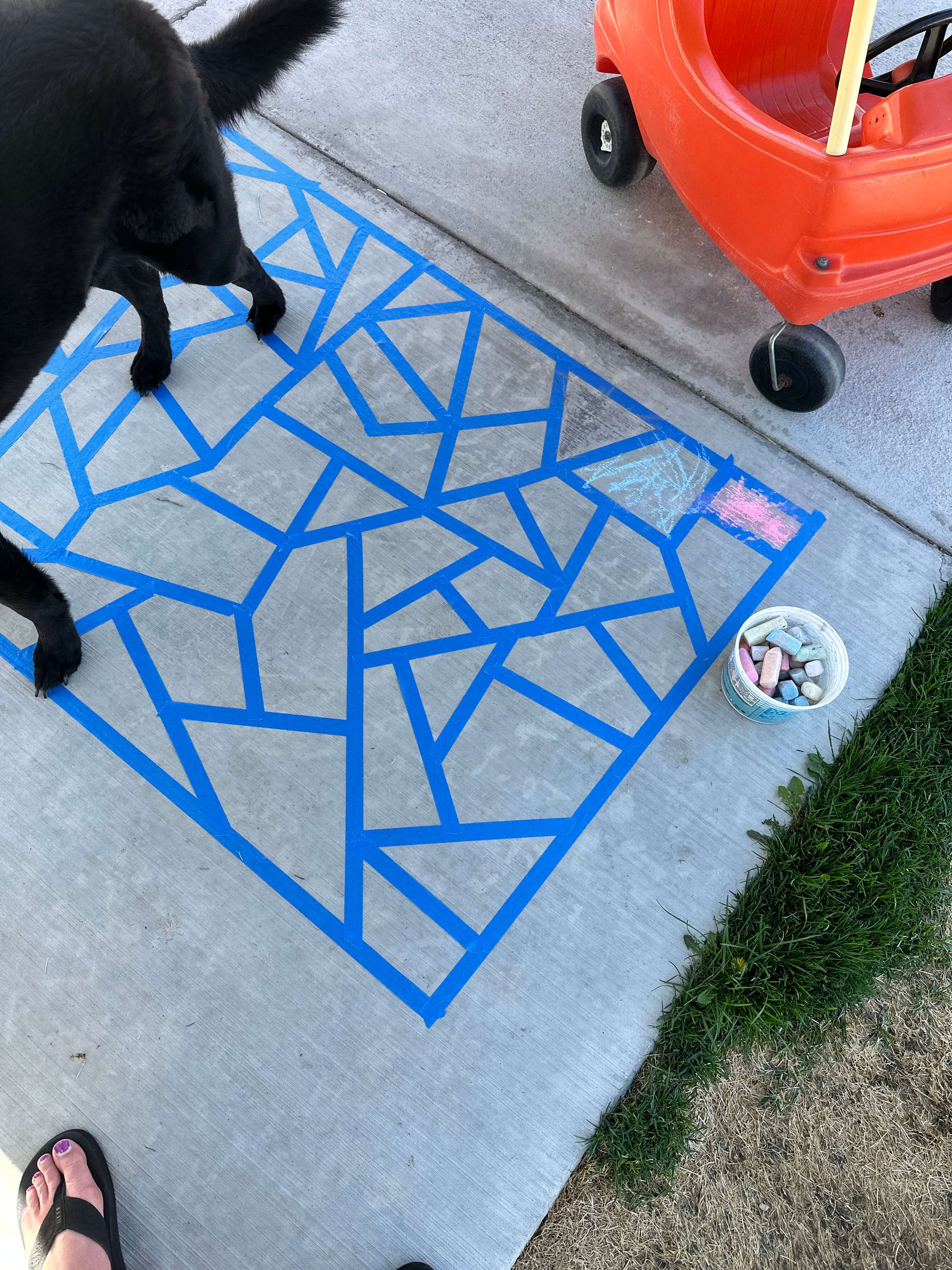
Homeschooling toddlers isn’t about cramming them with facts. It’s about laying a foundation for curiosity, creativity, and confidence. These early years are when your child learns how to learn, and to love to learn, not just what to learn. Here’s what makes toddler homeschool unique:
- Short attention spans mean lessons are bite-sized.
- Play is the main vehicle for learning.
- Everyday life is the curriculum. Cooking, shopping, and nature walks all count.
- Flexibility rules — both in pace and schedule.
Let Go of the “Perfect Schedule” Mindset
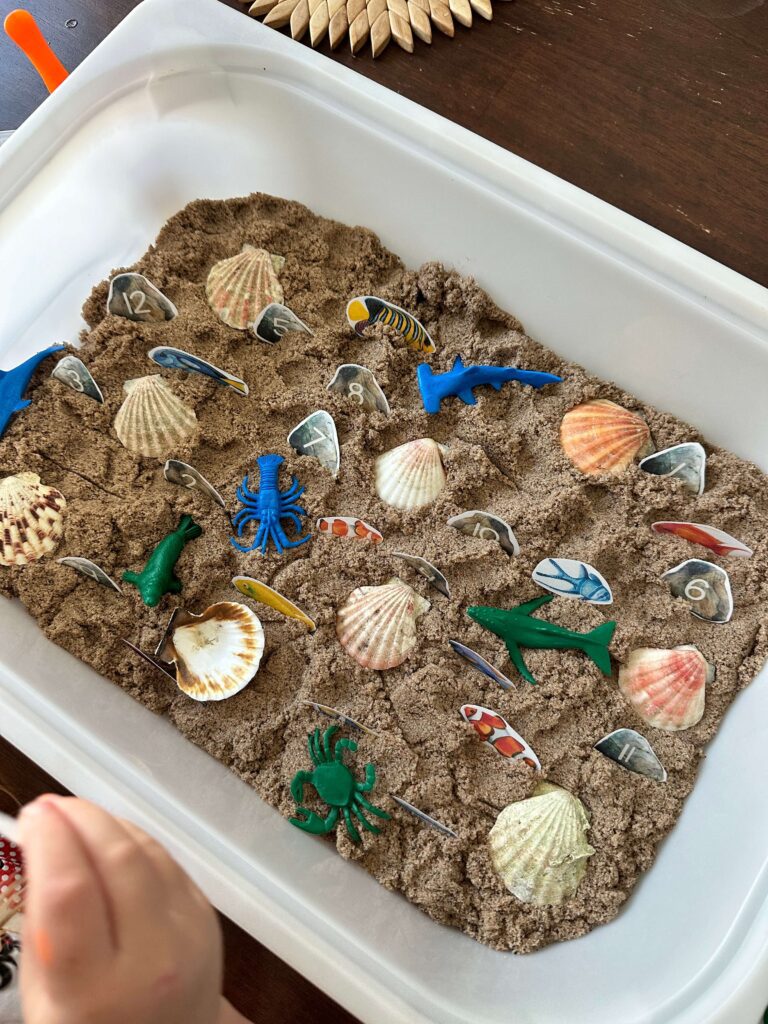
One of my biggest lessons? Let go of time frame expectations. Early on, I tried to stick to a rigidtimeframes and schedules. Some topics clicked instantly, and we were ready to move on, while others fascinated my daughter for weeks. With toddlers, you can:
- Stretch a unit study as long as your child is engaged.
- Move ahead in strengths without rushing other areas.
- Let curiosity guide what you explore next.
Remember: mastery matters more than matching a calendar.
Mix Up the Learning Modalities
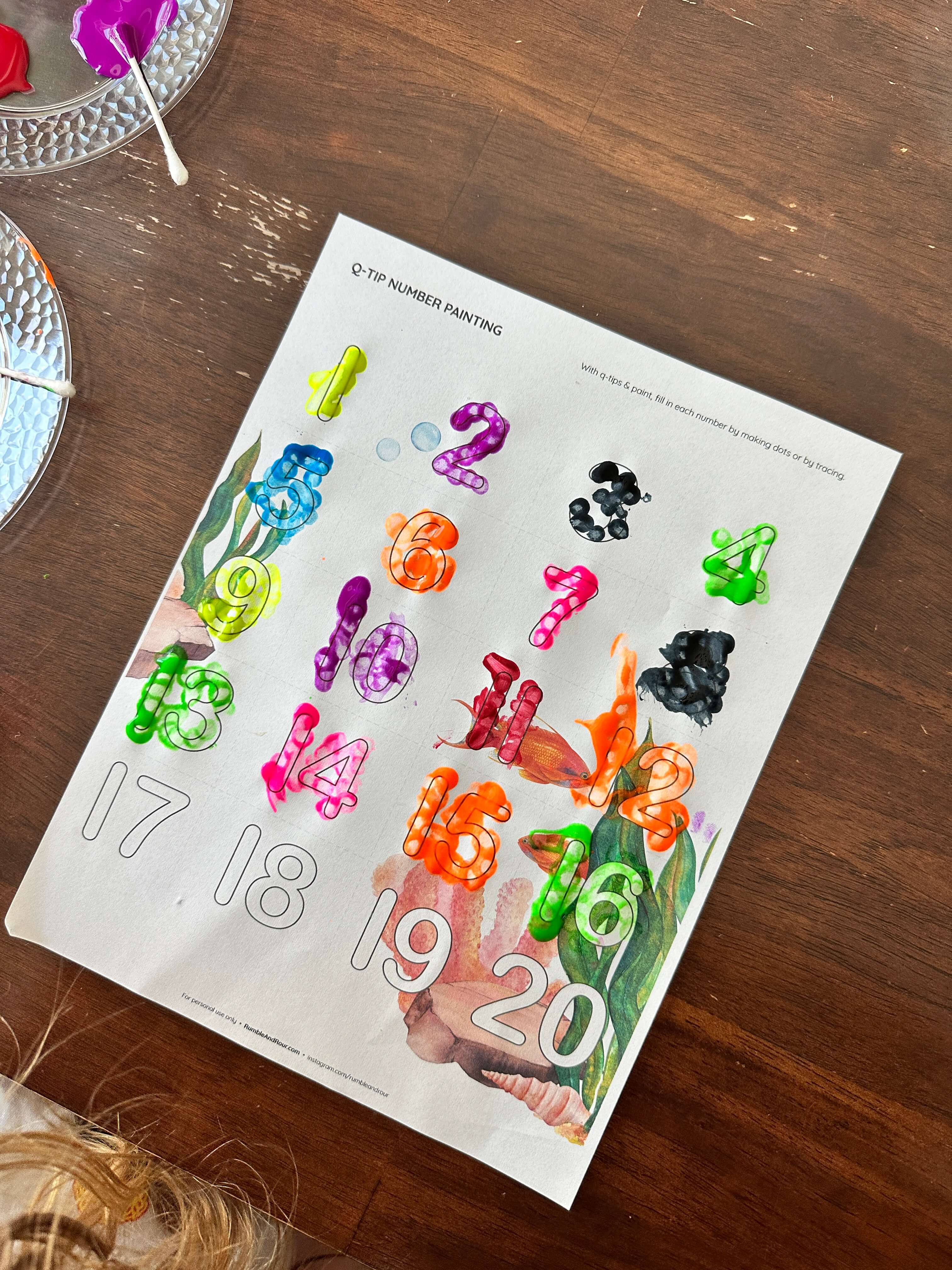
Toddlers thrive when learning comes in different forms. Some days my daughter is excited about art, other days she wants to be outside digging in the dirt. By changing up our approach, we keep the day fresh and engaging.
Here are ways to mix it up:
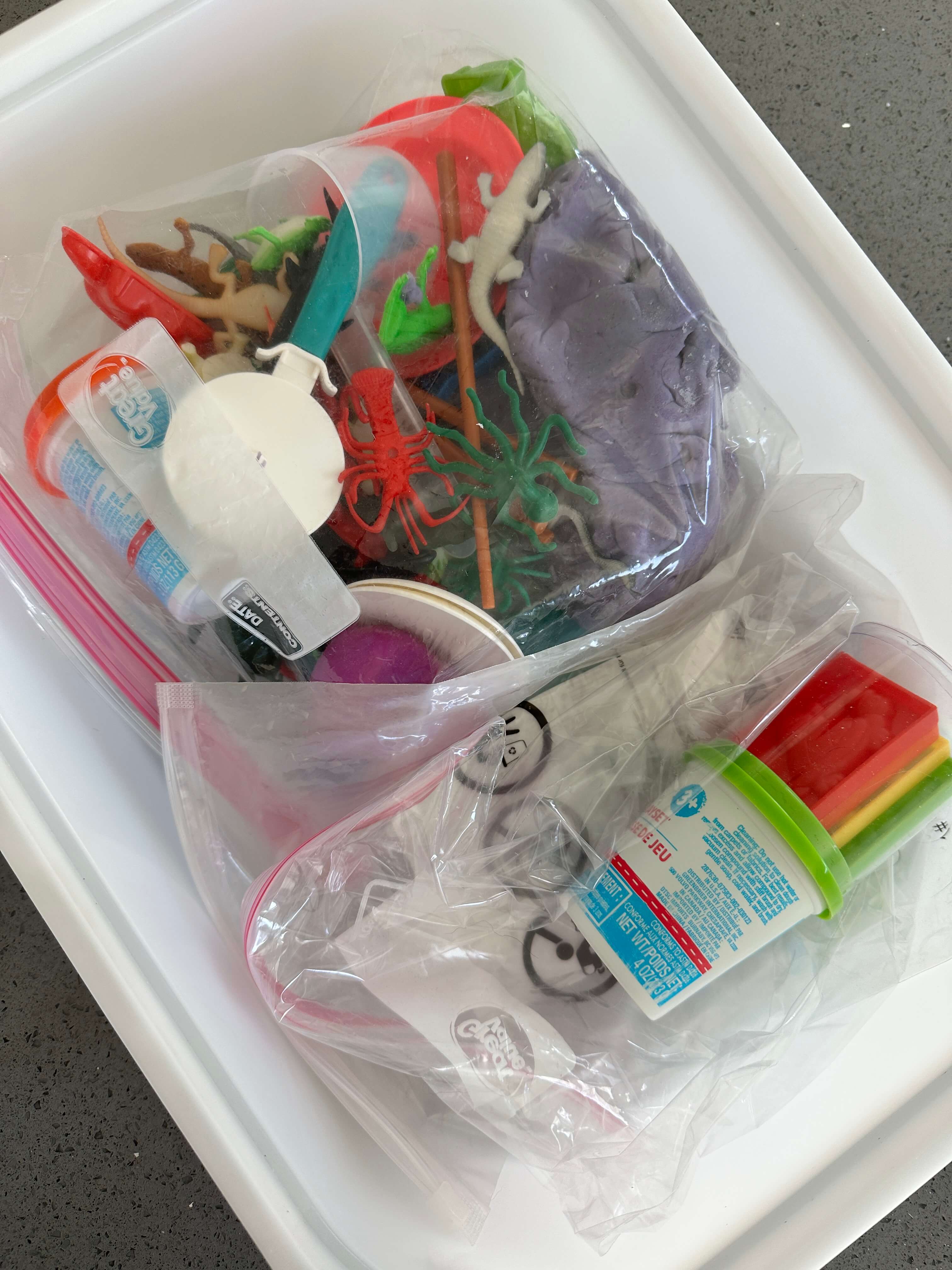
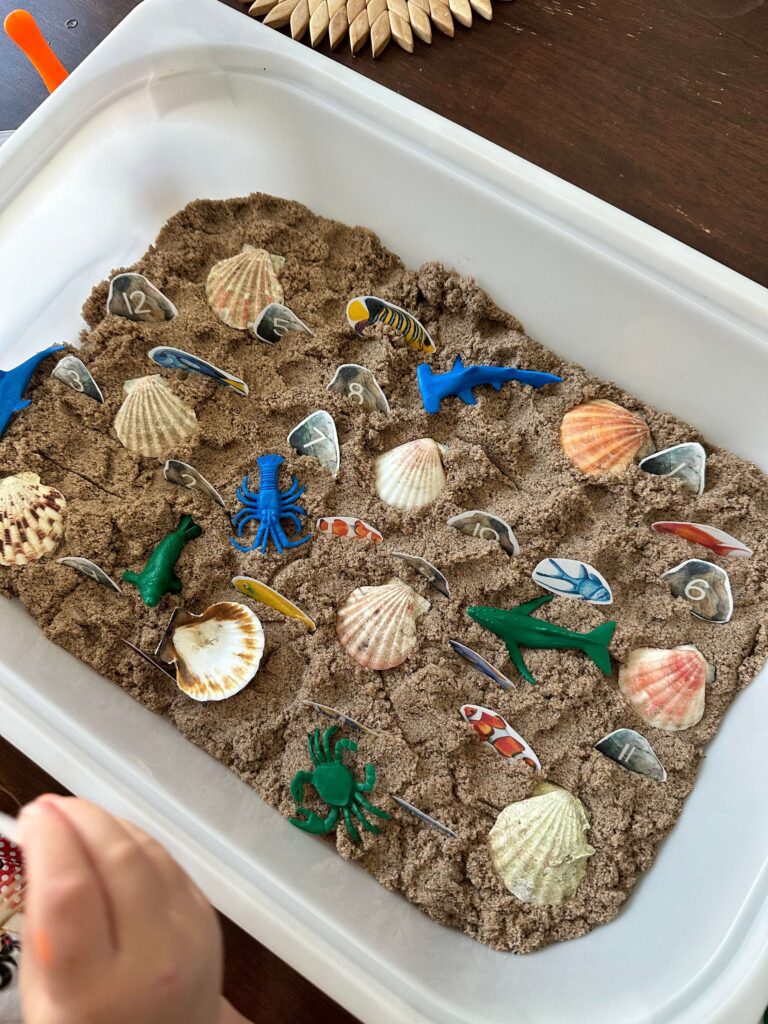
- Sensory play: Try simple sensory bins that fit your theme.
- Outdoor learning: Nature walks, gardening, or playground obstacle courses.
- Hands-on crafts: Painting, cutting, gluing — perfect for fine motor skills.
- Books & storytelling: Rotate library books based on your unit study.
- Videos & songs: Use short, educational clips to reinforce topics.
- Community activities: Museums, library storytime, or seasonal events.
Choosing Toddler Homeschool Curriculum
That first year is a great time to explore. I found I prefer open-and-go curricula for core subjects like math and language arts because they save planning time. But I also love the flexibility of unit studies for topics like animals, seasons, or community helpers.
Here’s a quick overview of some popular homeschool approaches — even though your toddler is young, knowing the different styles can help you decide what might fit your family:
- Traditional: The most “school-like” approach with textbooks, workbooks, and structured lessons for each subject. It’s familiar but can feel rigid for younger learners.
- Classical: A three-stage learning model (called the Trivium) that builds strong language, logic, and reasoning skills over time. You can start introducing its ideas in gentle ways during the preschool years.
- Unschooling: A child-led style that follows your toddler’s interests without a set curriculum. If they’re fascinated by butterflies, you dive deep into that topic until they’re ready for something new.
- Unit Studies: A thematic approach where one topic blends multiple subjects. For example, a “Farm” unit might include reading farm books, counting animals, singing farm songs, and doing farm-themed crafts.
- Charlotte Mason: Focuses on rich literature, nature study, and short, meaningful lessons. For toddlers, this might look like picture book read-alouds, nature walks, and simple hands-on activities.
Tips for Choosing Preschool Curriculum
- Start simple — don’t overcommit to too many programs at once.
- Sample free curriculum or trial lessons before buying.
- Look for toddler-friendly pacing and visuals.
- Pair a core curriculum with themed unit studies.
Our Core Focus: Early Literacy
One of my main homeschooling goals in these early years is building a strong foundation in reading. For us, this means:
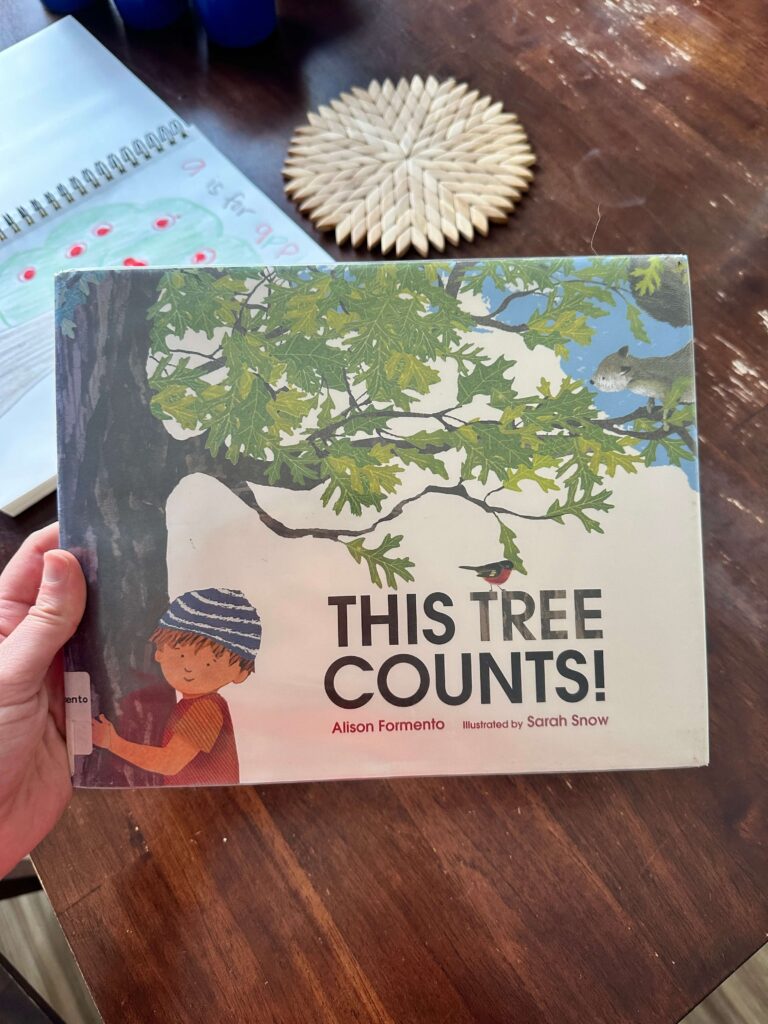
- Daily read-aloud time. My husband reads aloud to my daughter every night, and I love that he gets that one one-on-one time with her to focus on her reading. Plus, he is the BEST at it!
- Letter recognition through play (puzzles, magnets, tracing, real world exposure).
- Phonics games and songs.
- Using books as springboards for crafts, sensory bins, or pretend play.
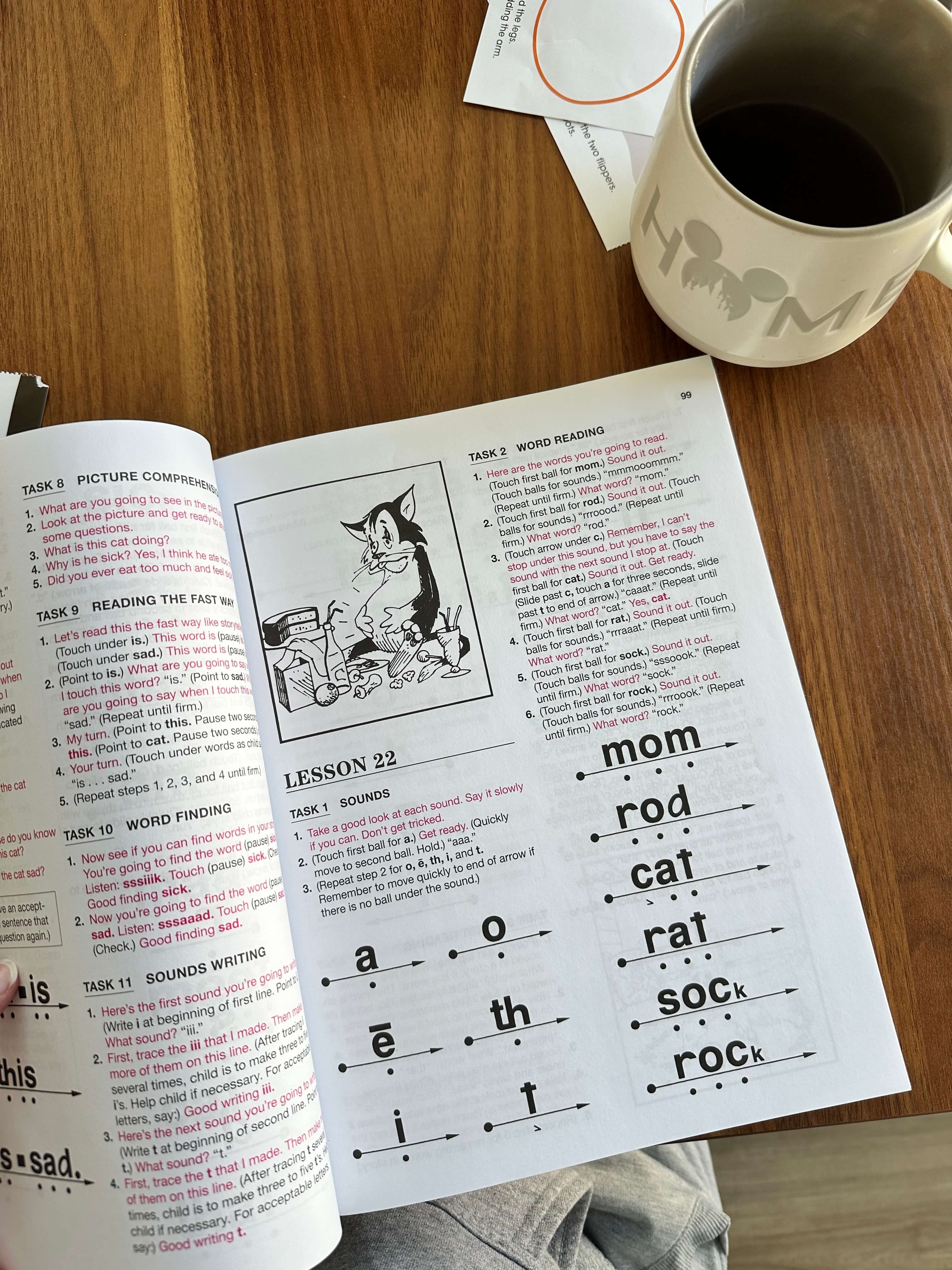
We are personally also loving the Teach Your Child to Read in 100 Lessons book!
Example Toddler Homeschool Routine
Remember, preschool can be limited to 15 or so minutes per day of more structured schooling. Life is the classroom, and many activities support their education! Here is an example of a sample routine — adjust it to fit your child’s rhythm:
Schooltime (whenever works best for your schedule):
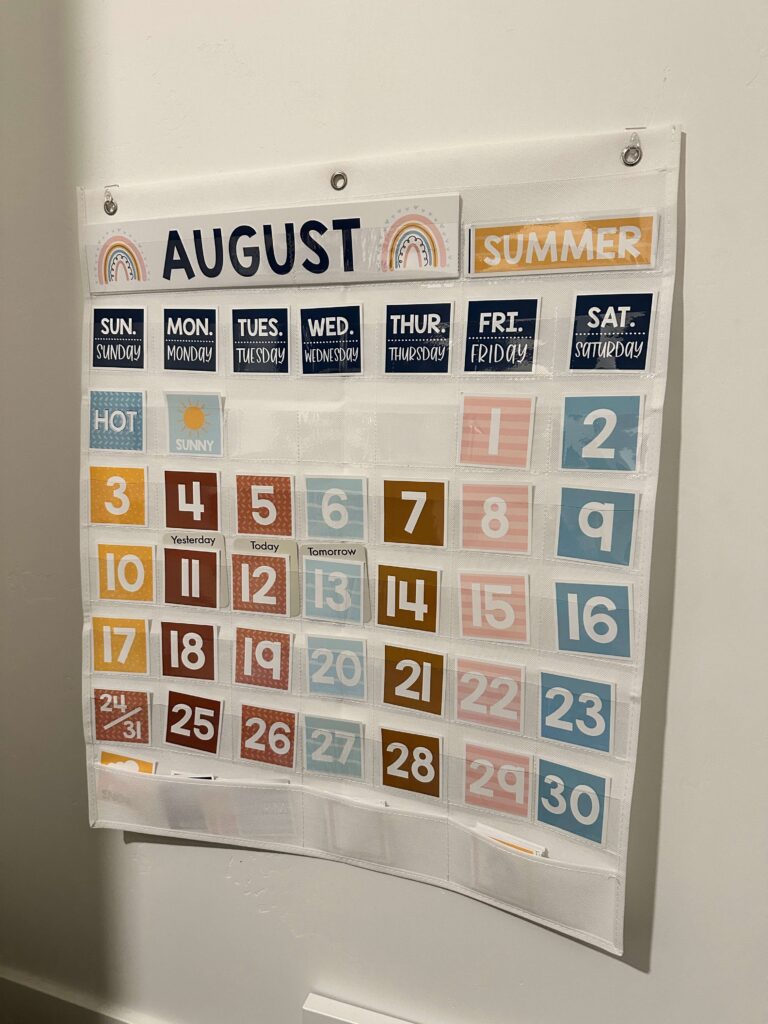
Daily review – songs, calendar time, memorization (such as reviewing your address and phone number)
Core activity – math or literacy
Optional supplementary subject such as unit studies in science, history, etc.
Sensory activity or craft tied to your theme
Other activities to incorporate throughout the day:
Sensory bin or craft tied to your theme
Independent play time
Chores together (think of these as life skills AND a great way to practice real life math and literacy skills)
Storytime or educational video
Quiet time/nap
Outside play
Board and card games
Need ideas for indoor activities for cold or rainy days? Try indoor winter activities for toddlers.
Simple Homeschool Organization
A clutter-free and organized homeschool space makes life easier. Here are some ideas of what has helped:
- Stackable bins for craft supplies.
- A rolling cart or a basket for daily homeschool materials – it is nice to be able to put it away at the end of the day.
- A small bookshelf or dedicated space for book rotations.
- A weekly plan written on a whiteboard or planner (I find an expensive homeschool planner is unnecessary for this point in homeschooling, unless you have an older child you’re also homeschooling)
Must-Have Homeschool Supplies
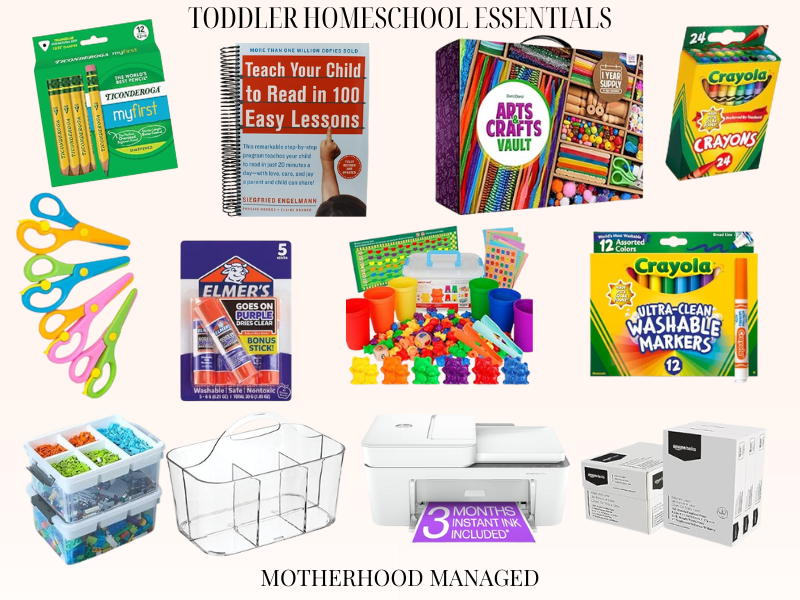
I’ve linked all my favorite homeschool supplies for my toddler HERE. To get you started, here are some ideas of the basics you might want to have on hand:
- Variety of art supplies (washable paints, markers, paper, kid safe scissors, washable glue)
- Wooden puzzles & shape sorters, especially alphabet versions
- Counting bears or math manipulatives
- Sensory bin items (rice, beans, kinetic sand)
- Preschool workbooks and curriculum that work for you
- Basic printer for printing worksheets. I love that mine has an Instant Ink subscription so I never have to worry about running out of ink.
Encouragement for the Journey
Homeschooling your toddler doesn’t require perfection — just presence, patience, and a willingness to learn alongside them. Some days will be smooth, others will be messy (literally). But in every moment, you’re giving your child something incredibly valuable: a safe, loving environment where learning is natural and joyful. So breathe. You’re more equipped for this than you think!

Leave a Reply